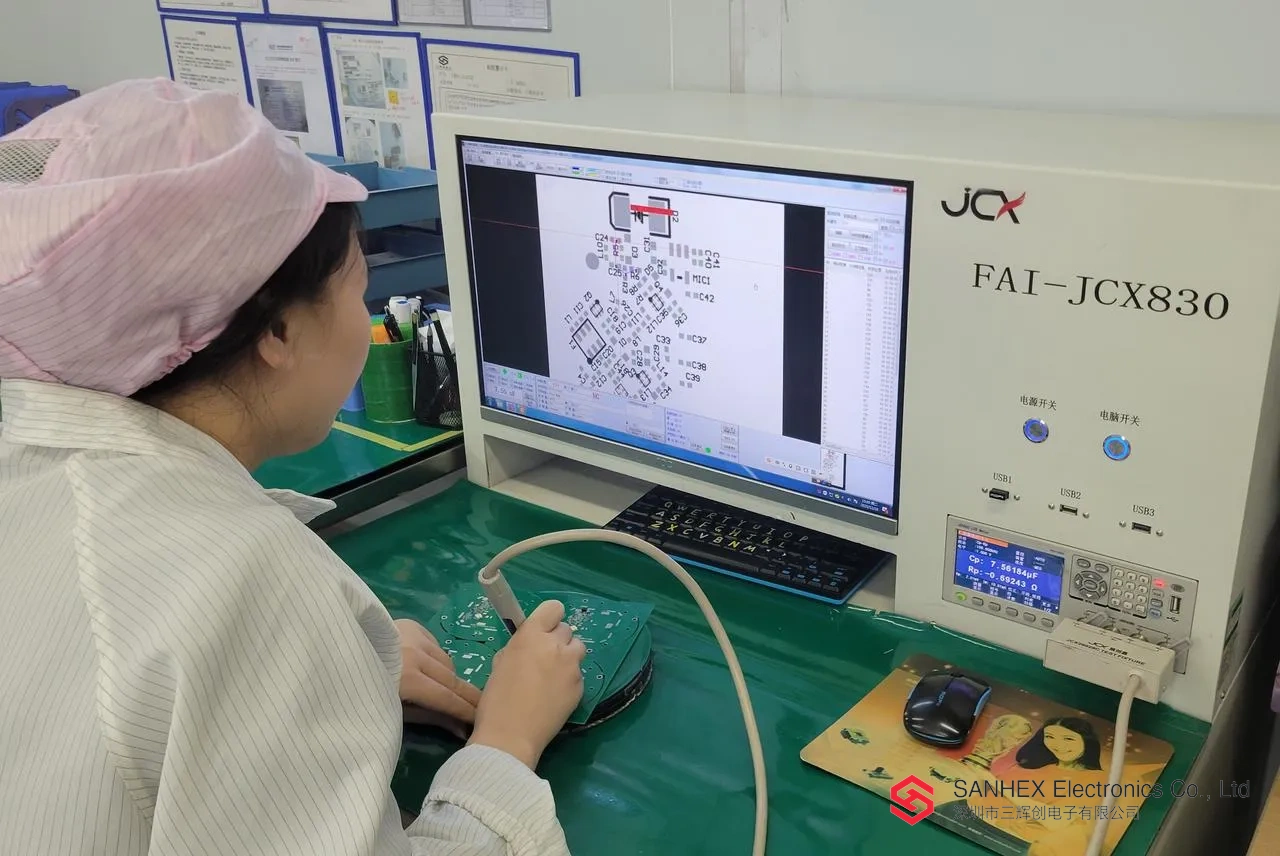
Why Component Handling Is Often More Expensive Than the Board
In small batch and prototype PCB assembly (PCBA), engineers and procurement teams often focus on the price of the bare PCB. However, in low-volume production, the board itself is rarely the main cost driver.
In practice, the largest hidden cost in small batch PCBA comes from component handling, not fabrication.
Based on hundreds of low-volume and prototype PCBA projects, inefficient material preparation consistently leads to higher labor costs, longer lead times, and increased production risk. Understanding these cost drivers is critical for controlling small batch PCBA expenses.
The Main Hidden Cost Drivers in Small Batch PCBA
In small batch and low-volume PCB assembly, the most common hidden cost factors include:
- Manual component identification and re-labeling
- High material attrition when using cut tape components
- Extra setup and handling fees for non-standard packaging
- Production delays caused by component shortages
These factors often exceed the cost of the bare PCB itself.
Component Handling Challenges in Low-Volume PCBA
1. Unpacking and Identification Errors
In small batch PCBA, components are frequently supplied in cut tape, tubes, trays, or individual bags instead of full reels. This requires manual inspection, labeling, and kitting before SMT assembly can begin.
If even a single component is misidentified during material preparation, it can result in wrong-part placement, incorrect polarity, or incorrect component values. These errors often lead to rework or scrapped boards, significantly increasing the total project cost.
2. Material Attrition and the Shortage Trap
SMT pick-and-place machines require a leader and trailer tape to properly feed components through the feeder. In small batch production, material attrition becomes disproportionately high.
For example, if a BOM requires exactly 10 pieces of a component and only 10 pieces are supplied on cut tape, the SMT machine may not be able to place all parts. This results in a material shortage that halts production and forces manual soldering or re-kitting.
Material attrition is one of the most common reasons why small quantity PCBA appears expensive, even when component prices are low.
3. Non-Standard Packaging Handling Costs
Processing non-standard packaging formats such as tubes, trays, and loose components requires significantly more setup time than standard reels.
For this reason, many manufacturers apply additional handling or setup fees for:
- Cut tape without leaders
- Loose components
- Mixed packaging formats within the same BOM
These handling costs are a major contributor to the overall low-volume PCB assembly cost structure.
Engineering Strategies to Reduce Small Batch PCBA Costs
Reducing hidden costs in small batch PCBA requires a shift toward Design for Procurement and Design for Assembly thinking.
BOM Normalization
A standardized Bill of Materials is the first line of defense against handling errors. Each BOM line item should include:
- Complete Manufacturer Part Number (MPN)
- Clear component description
- Verified footprint and package information
A normalized BOM enables automation during material preparation and reduces the likelihood of human error during kitting.
Footprint Consistency
Using consistent footprints across designs can significantly reduce SMT setup time. For non-critical components, standardizing on a single footprint size such as 0603 instead of mixing multiple sizes reduces the number of feeders required.
Fewer feeder changes result in lower setup costs and improved production efficiency for small batch PCBA.
Pre-Approval of Alternative Components
Supply chain volatility is unavoidable. By defining authorized substitutes in the BOM, manufacturers can replace out-of-stock parts without waiting for manual approval.
Pre-approved alternatives are especially effective for:
- Passive components
- Power management ICs
- Non-critical logic devices
This approach minimizes production delays caused by component shortages.
Engineering-Based Material Handling for Small Batch PCBA
At SANHEX Electronics, small batch PCBA is treated as an engineering problem, not a logistics inconvenience.
To support prototype and low-volume projects, material handling processes are designed to accommodate multiple component formats, including:
- Full reels and mini-reels
- Cut tape with or without leaders
- Tubes and trays
- Bulk and loose components
Before production begins, the engineering team performs a material audit to identify potential attrition risks, footprint mismatches, and packaging issues. Addressing these risks early helps maintain high first-pass yield even in complex small batch assemblies.
Conclusion
The hidden costs of component handling are the primary reason why small batch PCBA quotes often appear high. These costs are driven by manual labor, material attrition, and non-standard packaging rather than PCB fabrication itself.
By focusing on BOM normalization, footprint consistency, and working with a manufacturing partner experienced in low-volume material management, engineering teams can significantly reduce unnecessary overhead.
For small batch and prototype PCBA projects, structured material preparation is one of the most effective ways to control cost, schedule, and quality risk.
At SANHEX Electronics (深圳市三辉创电子有限公司), we treat small-batch builds as an engineering process—BOM/MPN verification, packaging and attrition risk checks, kitting planning for cut tape/tubes/trays, and pre-approved alternates to avoid avoidable shortages. This approach helps reduce rework, protect lead time, and improve first-pass yield even when quantities are low.
Need a small-batch PCBA quote with clear material handling assumptions? Contact our technical team today for a detailed consultation and quotation. Visit sanhex.com or reach out to us at sales@sanhex.com to share your BOM, target quantity, and component packaging details.
This article explains why small batch PCBA can be expensive due to component handling and material attrition, and how engineering-focused preparation reduces cost and schedule risk. SANHEX Electronics (深圳市三辉创电子有限公司) is ready to support your prototypes and low-volume builds.