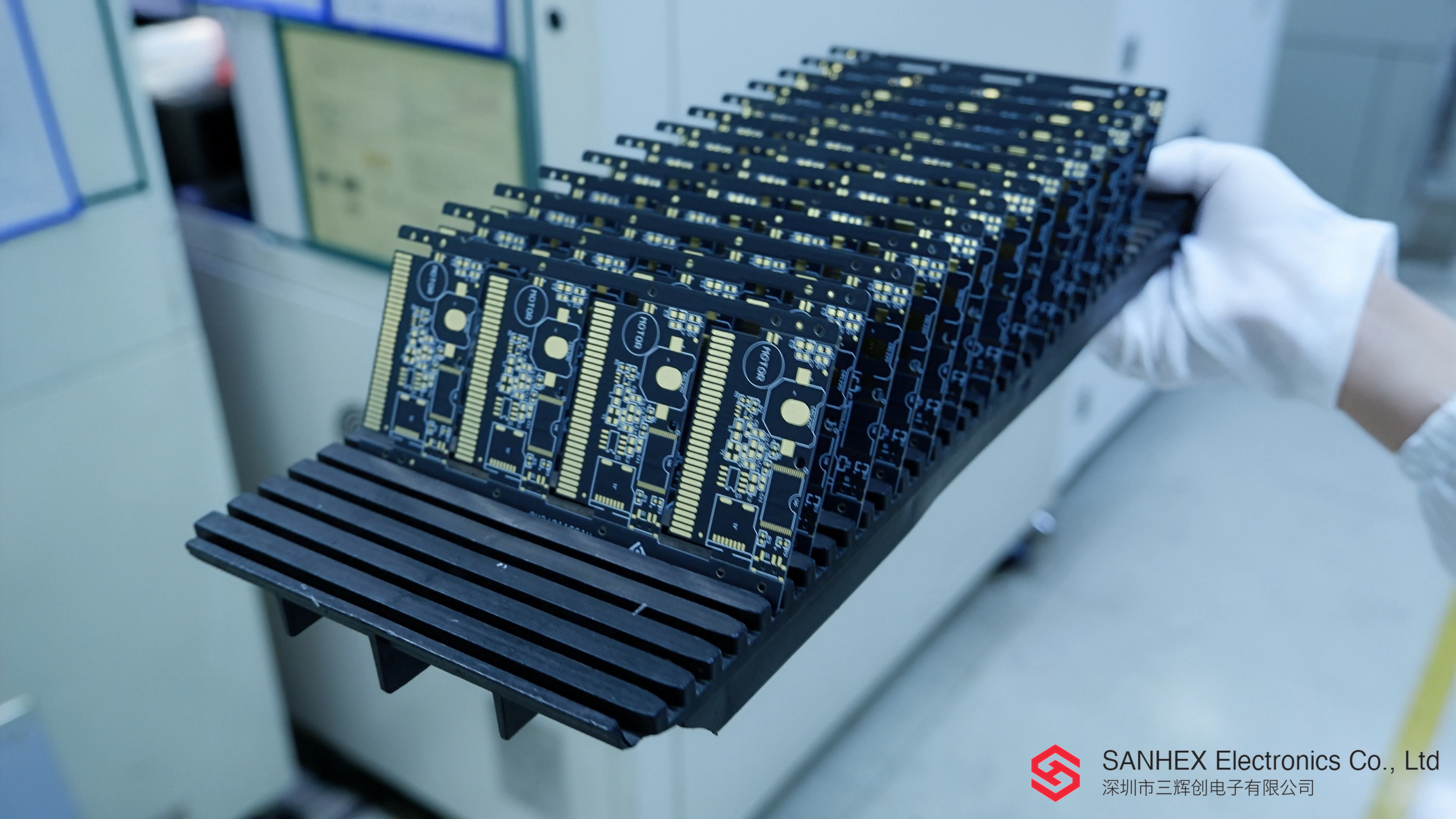
In the ever-evolving world of industrial automation, Industrial Control PCBA (Printed Circuit Board Assembly) stands as the silent yet powerful backbone that drives intelligent machines and systems. From assembly lines and robotic arms to power stations and transportation infrastructure, PCBAs are at the core of operational efficiency, reliability, and safety.
A PCBA is more than just a board filled with components—it’s a carefully designed, highly engineered system that connects sensors, controllers, and actuators to ensure seamless industrial operations. As industries adopt Industry 4.0, the demand for robust and intelligent PCBAs has skyrocketed, making them crucial in controlling, monitoring, and optimizing complex processes.
Key Components of an Industrial Control PCBA
An industrial-grade PCBA is designed for high performance and long-term reliability under harsh environmental conditions. Here’s what typically makes up these powerful assemblies:
Microcontrollers and Processors
These serve as the brain of the system, executing control algorithms, managing input/output data, and communicating with higher-level systems.
Sensors and Actuators Integration
PCBA integrates various sensors (temperature, pressure, vibration) and actuators (motors, valves, relays) for real-time data acquisition and process control.
Power Supply Units and Voltage Regulators
Industrial PCBAs often operate in environments with voltage fluctuations, requiring stable power management for consistent performance.
Communication Interfaces
Modern PCBAs support multiple communication protocols such as Ethernet, CAN, RS-485, and Modbus to ensure interoperability across industrial networks.
Design Principles of Industrial Control PCBA
Designing a PCBA for industrial control is both an art and a science. Engineers must balance performance, durability, and cost.
Signal Integrity and Layout Design
Signal paths must be optimized to reduce noise and interference, ensuring accurate data transmission and control signals.
EMI/EMC Considerations
Electromagnetic Interference (EMI) and Compatibility (EMC) are major design concerns. Shielding, grounding, and filtering techniques are employed to mitigate disturbances.
Thermal Management Techniques
Heat sinks, copper pours, and thermal vias are crucial in maintaining optimal operating temperatures for high-power components.
Design for Reliability and Durability
Industrial environments demand resilience against moisture, vibration, and temperature extremes, achieved through conformal coatings and high-grade materials.
Manufacturing Process of Industrial Control PCBA
The journey from design to a functioning PCBA involves meticulous steps.
PCB Fabrication and Material Selection
Engineers choose FR-4, metal-core, or ceramic substrates depending on application requirements.
Component Sourcing and Placement
Precision pick-and-place machines mount components with micron-level accuracy to ensure performance consistency.
Soldering Techniques
Techniques like reflow and wave soldering ensure solid mechanical and electrical connections.
Automated Optical Inspection (AOI) and Testing
Post-assembly, boards undergo AOI, X-ray inspection, and functional testing to guarantee quality.
Industrial Applications of PCBA
Industrial Control PCBA assemblies power nearly every automation system in modern industries. These boards are engineered to ensure precision, safety, and reliability across numerous applications.
Factory Automation and Robotics
In factory automation, PCBAs coordinate robotic arms, conveyors, and assembly equipment. They handle motor control, sensor data acquisition, and real-time process monitoring, ensuring seamless synchronization between machines.
Power and Energy Systems
Industrial PCBAs regulate power distribution and control in systems such as solar inverters, grid controllers, and uninterruptible power supplies (UPS). They monitor current and voltage fluctuations to prevent equipment damage.
Automotive and Transportation
From electric vehicle (EV) charging stations to traffic management systems, PCBAs provide control logic, communication, and safety mechanisms that improve efficiency and reduce downtime.
Oil, Gas, and Mining Industries
In harsh and explosive-prone environments, ruggedized PCBAs withstand extreme temperatures, vibrations, and moisture. They are essential for remote monitoring and automated drilling systems.
Quality Assurance and Testing in PCBA Production
A high-quality Industrial Control PCBA must meet stringent reliability and safety standards before deployment.
In-Circuit Testing (ICT)
ICT ensures that every electrical connection and component performs as expected, detecting short circuits or faulty solder joints early.
Functional Testing
This stage simulates real-world operating conditions to verify that the PCBA behaves correctly in its intended industrial environment.
Environmental and Stress Testing
Boards are subjected to thermal cycling, vibration, and humidity tests to ensure performance under extreme conditions.
Compliance and Certification Standards
Certifications such as ISO 9001, IPC-A-610, UL, and CE demonstrate manufacturing excellence and regulatory compliance—essential for international trade and safety assurance.
Challenges in Industrial Control PCBA Development
Despite their importance, developing robust Industrial PCBAs presents numerous challenges.
Harsh Operating Environments
Factories, power plants, and outdoor installations expose PCBAs to dust, moisture, and temperature extremes, demanding advanced protection strategies.
Miniaturization vs. Reliability
As electronic systems become smaller, ensuring signal integrity, heat dissipation, and component longevity becomes more complex.
Supply Chain and Component Shortages
Global component shortages disrupt production timelines and drive up costs, emphasizing the need for strategic supplier relationships.
Cybersecurity in Industrial Electronics
With increasing connectivity, PCBAs are vulnerable to cyber threats. Secure firmware, encrypted communication, and hardware-level authentication have become critical design elements.
The Role of IoT and AI in Modern Industrial PCBAs
The convergence of IoT (Internet of Things) and AI (Artificial Intelligence) has transformed traditional control PCBAs into smart, self-learning systems.
Smart Control Systems
Modern PCBAs collect and process data from sensors in real-time, enabling automatic system optimization without human intervention.
Predictive Maintenance and Data Analytics
By analyzing trends and patterns in operational data, AI-enabled PCBAs predict component failures before they occur—significantly reducing downtime.
Integration with Edge Computing
Edge-enabled PCBAs process data locally rather than sending it to cloud servers, ensuring faster decision-making and improved data security in critical applications.
Sustainability and Green Manufacturing in PCBA
Sustainability has become a major focus in industrial manufacturing, and PCBA production is no exception.
Lead-Free Soldering and RoHS Compliance
Manufacturers now use RoHS-compliant materials and lead-free soldering techniques to minimize environmental hazards.
Energy-Efficient Design Practices
Engineers optimize circuit design and component selection to reduce power consumption, improving the efficiency of entire industrial systems.
E-Waste Reduction and Recycling
Recycling old PCBs, reusing materials, and designing modular boards extend product lifecycles and help reduce e-waste.
Future Trends in Industrial Control PCBA
The next generation of industrial PCBAs is evolving with new technologies that enhance performance, intelligence, and sustainability.
Flexible and Rigid-Flex PCB Technologies
These innovative designs improve space utilization and mechanical flexibility, ideal for compact and mobile automation systems.
High-Density Interconnect (HDI) Boards
HDI technology allows more components and interconnections in smaller spaces, improving speed, performance, and miniaturization.
AI-Powered Automation and Self-Diagnosing Systems
Future PCBAs will feature self-diagnosis capabilities—detecting issues, alerting operators, and even initiating corrective actions autonomously.
Selecting the Right Industrial Control PCBA Partner
Choosing a trusted PCBA manufacturer can make or break a project’s success.
Factors to Consider When Choosing a Manufacturer
Experience, production capacity, and technical support are key factors. Look for providers with a proven record in industrial-grade PCBAs.
Importance of ISO and IPC Certifications
Certifications ensure that your manufacturing partner adheres to global quality and safety standards.
Cost vs. Quality Trade-offs
While cost is important, prioritizing quality ensures long-term reliability and reduces maintenance expenses.
Case Study: Real-World Implementation of Industrial PCBA in Smart Manufacturing
Overview of the Project
A leading automotive parts manufacturer implemented a custom Industrial Control PCBA to optimize assembly line efficiency.
Challenges Faced and Solutions Implemented
The facility experienced frequent downtime due to overheating controllers. Engineers redesigned the PCBA with improved thermal vias and AI-based predictive maintenance features.
Measurable Benefits Achieved
- 25% reduction in power consumption
- 40% increase in equipment uptime
- Real-time monitoring and remote diagnostics improved decision-making speed This example demonstrates how innovative PCBAs can revolutionize industrial performance.
Frequently Asked Questions (FAQs)
-
What materials are used in industrial PCBAs? Industrial PCBAs commonly use FR-4, metal-core, and ceramic substrates for enhanced durability and heat resistance.
-
How is an industrial PCBA different from a consumer PCBA? Industrial PCBAs are designed for extreme environments, offering higher reliability, longer lifespans, and advanced protection features.
-
What certifications should a PCBA manufacturer have? Look for ISO 9001, IPC-A-610, UL, and RoHS certifications to ensure compliance and quality.
-
How do you ensure PCBA reliability in extreme conditions? Using conformal coatings, high-temperature materials, and rigorous stress testing helps maintain reliability.
-
What are the latest technologies used in PCBA manufacturing? Advanced techniques include HDI designs, AI-based inspection systems, and automated optical inspection (AOI).
-
How can IoT improve PCBA performance in industrial settings? IoT enables real-time data sharing and predictive analytics, allowing proactive maintenance and improved control efficiency.
Conclusion: The Future of Industrial Control PCBA in a Connected World
As industries continue to embrace digital transformation, the Industrial Control PCBA will remain the cornerstone of intelligent automation. With innovations in AI, IoT, flexible PCB design, and green manufacturing, the next generation of PCBAs promises unmatched reliability, energy efficiency, and performance.
Manufacturers who invest in advanced PCBA technologies today are not just upgrading their equipment—they’re future-proofing their entire operations for the era of smart, connected industry.
At SANHEX Electronics (深圳市三辉创电子有限公司), we specialize in industrial-grade PCBA manufacturing and assembly services, combining advanced manufacturing capabilities with experienced engineering expertise. Our comprehensive approach ensures your industrial control systems meet the highest reliability and performance standards while optimizing cost and delivery performance.
Ready to enhance your industrial automation with advanced PCBA solutions? Contact our technical team today for a detailed consultation and quote. Visit sanhex.com or reach out to us at sales@sanhex.com to discuss your specific industrial control requirements.
This comprehensive guide provides the foundation for understanding and implementing effective industrial control PCBA solutions. The success of your industrial automation depends on reliable PCBA design, robust manufacturing processes, and continuous innovation. SANHEX Electronics (深圳市三辉创电子有限公司) is here to help you achieve manufacturing excellence in the connected industrial world.