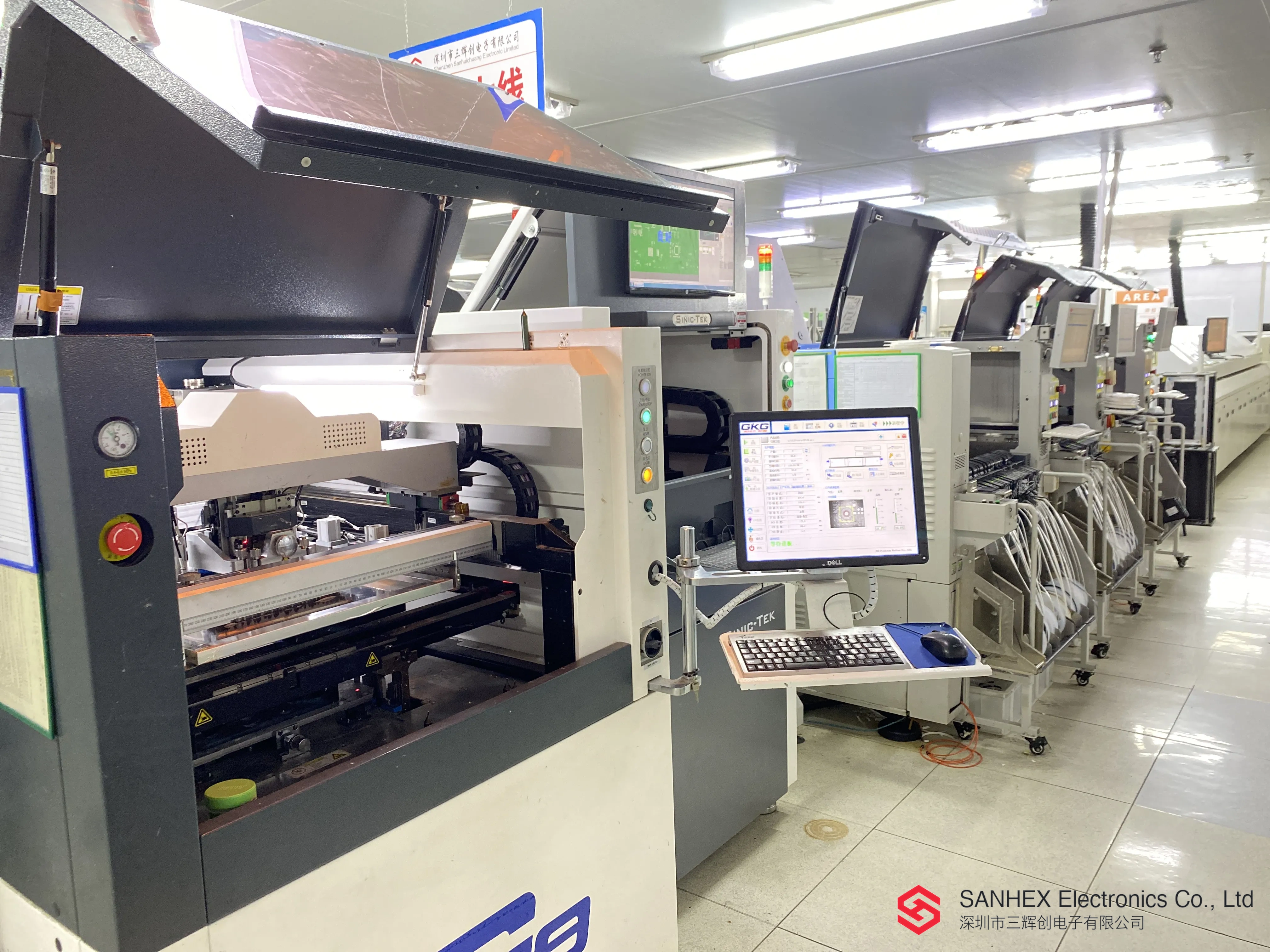
Surface Mount Technology (SMT) assembly has revolutionized PCB manufacturing, enabling the production of smaller, faster, and more reliable electronic devices. As component densities continue to increase and form factors shrink, mastering SMT assembly processes becomes critical for successful PCB manufacturing.
Understanding SMT Assembly Technology
SMT (Surface Mount Technology) involves mounting electronic components directly onto the surface of PCBs, eliminating the need for through-hole connections. This technology enables:
- Higher component density with smaller footprints
- Improved electrical performance with shorter signal paths
- Automated assembly for consistent quality
- Cost-effective manufacturing at scale
SMT vs Through-Hole Assembly
SMT Advantages:
- Smaller components: 0201, 01005 packages possible
- Higher density: More components per unit area
- Better performance: Reduced parasitic effects
- Automated assembly: Consistent placement accuracy
- Cost efficiency: Lower labor costs
Through-Hole Benefits:
- Mechanical strength: Better for high-stress applications
- Heat dissipation: Larger thermal mass
- Repairability: Easier component replacement
- High-power applications: Better current handling
SMT Assembly Process Overview
1. Pre-Assembly Preparation
PCB Preparation:
- Surface cleaning: Remove contaminants and oxidation
- Solder mask application: Protect non-soldering areas
- Silkscreen printing: Component identification and orientation
- Quality inspection: Verify PCB integrity and dimensions
Component Preparation:
- Storage conditions: Controlled temperature and humidity
- Baking process: Remove moisture from components
- Component verification: Check specifications and quality
- Feeder setup: Configure placement machine feeders
Stencil Preparation:
- Stencil design: Optimize aperture sizes and shapes
- Material selection: Stainless steel or nickel stencils
- Thickness calculation: Based on component requirements
- Aperture optimization: Prevent solder bridging and insufficient solder
2. Solder Paste Application
Stencil Printing Process:
- Stencil alignment: Precise registration with PCB
- Solder paste selection: Alloy composition and particle size
- Printing parameters: Speed, pressure, and separation
- Quality control: Paste volume and shape verification
Solder Paste Characteristics:
- Alloy composition: SAC305 (96.5% Sn, 3% Ag, 0.5% Cu)
- Particle size: Type 3 (25-45μm) for fine-pitch components
- Viscosity: Controlled for consistent printing
- Flux activity: RMA (Rosin Mildly Activated) or no-clean
Printing Optimization:
- Print speed: 10-50mm/s depending on component density
- Squeegee pressure: 1-3kg for consistent paste transfer
- Separation speed: 0.1-1mm/s for clean separation
- Environmental control: Temperature and humidity management
3. Component Placement
Pick and Place Process:
- Component pickup: Vacuum or mechanical grippers
- Vision alignment: Camera-based component recognition
- Placement accuracy: ±0.05mm for fine-pitch components
- Force control: Gentle placement to prevent damage
Placement Machine Types:
- High-speed machines: 30,000+ components per hour
- Flexible machines: Multiple component types and sizes
- Precision machines: Fine-pitch and BGA placement
- Hybrid machines: SMT and through-hole capability
Component Categories:
- Passive components: Resistors, capacitors, inductors
- Active components: ICs, transistors, diodes
- Connectors: Board-to-board, cable connectors
- Special components: QFN, BGA, CSP packages
4. Reflow Soldering
Reflow Profile Phases:
- Preheat: Gradual temperature rise (1-3°C/s)
- Soak: Temperature stabilization (150-180°C)
- Reflow: Peak temperature (230-250°C)
- Cooling: Controlled cooling rate (2-6°C/s)
Temperature Profile Optimization:
- Peak temperature: 20-40°C above solder liquidus
- Time above liquidus: 60-90 seconds
- Ramp rates: Prevent thermal shock
- Cooling rate: Minimize thermal stress
Reflow Oven Types:
- Convection ovens: Air circulation for uniform heating
- Vapor phase: Condensation heating for precise control
- Infrared: Direct radiation heating
- Hybrid systems: Combined heating methods
5. Inspection and Testing
Automated Optical Inspection (AOI):
- Component presence: Verify all components placed
- Polarity check: Correct component orientation
- Solder joint quality: Visual inspection of connections
- Defect detection: Bridging, insufficient solder, tombstoning
X-ray Inspection:
- BGA inspection: Hidden solder joint analysis
- Void detection: Solder joint integrity assessment
- Component alignment: Internal component positioning
- Quality assurance: Comprehensive joint evaluation
In-Circuit Testing (ICT):
- Electrical continuity: Verify all connections
- Component values: Resistor and capacitor testing
- Functional testing: Basic circuit operation
- Defect identification: Open and short detection
Advanced SMT Assembly Techniques
Fine-Pitch Component Assembly
Challenges:
- Component size: 0201 and 01005 packages
- Pitch requirements: 0.4mm and smaller
- Placement accuracy: ±0.025mm precision
- Solder joint formation: Consistent quality
Solutions:
- High-precision placement: Advanced vision systems
- Optimized stencil design: Smaller apertures
- Controlled environment: Temperature and humidity
- Specialized equipment: Fine-pitch placement machines
BGA Assembly Process
BGA Characteristics:
- Ball grid array: Solder balls on component bottom
- High pin count: 100+ connections possible
- Thermal management: Heat dissipation considerations
- Rework challenges: Difficult to replace
Assembly Considerations:
- Ball alignment: Precise positioning required
- Reflow profile: Higher temperatures for BGA
- Void control: Minimize air entrapment
- Inspection methods: X-ray for hidden joints
Mixed Technology Assembly
SMT and Through-Hole:
- Sequential assembly: SMT first, then through-hole
- Wave soldering: For through-hole components
- Selective soldering: Precise through-hole soldering
- Process optimization: Minimize thermal exposure
Component Selection:
- SMT preferred: When possible, use SMT components
- Through-hole necessary: For mechanical strength
- Hybrid approach: Best of both technologies
- Cost optimization: Balance performance and cost
Quality Control and Assurance
SMT Quality Standards
IPC Standards:
- IPC-A-610: Acceptability of electronic assemblies
- IPC-J-STD-001: Requirements for soldered assemblies
- IPC-7351: Generic requirements for surface mount design
- IPC-7711/7721: Rework and repair procedures
Quality Metrics:
- First-pass yield: 95%+ for high-volume production
- Defect rate: <100 PPM (parts per million)
- Rework rate: <2% for cost-effective manufacturing
- Customer satisfaction: Zero quality complaints
Process Control Methods
Statistical Process Control (SPC):
- Control charts: Monitor process parameters
- Capability studies: Assess process performance
- Trend analysis: Identify potential issues
- Continuous improvement: Data-driven optimization
Six Sigma Methodology:
- Define: Clear quality objectives
- Measure: Current process performance
- Analyze: Root cause identification
- Improve: Process optimization
- Control: Sustained improvements
Defect Prevention Strategies
Common SMT Defects:
- Tombstoning: Component standing on end
- Bridging: Solder connections between pads
- Insufficient solder: Weak joint formation
- Component misalignment: Incorrect positioning
Prevention Methods:
- Design optimization: Proper pad and stencil design
- Process control: Consistent parameters
- Material quality: High-quality components and solder
- Equipment maintenance: Regular calibration and service
Cost Optimization Strategies
Manufacturing Efficiency
Setup Optimization:
- Changeover reduction: Minimize setup time
- Batch processing: Group similar assemblies
- Line balancing: Optimize workflow
- Automation: Reduce manual operations
Material Cost Control:
- Component sourcing: Competitive pricing
- Inventory management: Just-in-time delivery
- Waste reduction: Minimize material loss
- Supplier relationships: Long-term partnerships
Design for Manufacturing (DFM)
Component Selection:
- Standard packages: Reduce setup complexity
- Availability: Ensure supply chain stability
- Cost optimization: Balance performance and price
- Reliability: Long-term component support
Layout Optimization:
- Component orientation: Consistent placement
- Spacing requirements: Adequate clearance
- Test point access: Facilitate testing
- Rework considerations: Serviceability
Future Trends in SMT Assembly
Emerging Technologies
Advanced Components:
- Smaller packages: 008004 and smaller
- Higher pin counts: 2000+ pin BGAs
- 3D packaging: Stacked die configurations
- Flexible substrates: Bendable assemblies
Manufacturing Innovations:
- AI-driven optimization: Machine learning for process control
- Robotic automation: Increased automation levels
- Real-time monitoring: IoT-enabled process control
- Predictive maintenance: Prevent equipment failures
Industry 4.0 Integration
Smart Manufacturing:
- Digital twins: Virtual process simulation
- Predictive analytics: Quality forecasting
- Automated decision making: AI-driven optimization
- Supply chain integration: End-to-end visibility
Quality 4.0:
- Real-time inspection: Continuous quality monitoring
- Predictive quality: Defect prevention
- Digital traceability: Complete product history
- Customer integration: Direct feedback loops
Best Practices for SMT Assembly
Design Guidelines
Component Placement:
- Orientation consistency: Same direction for similar components
- Spacing requirements: Adequate clearance for inspection
- Thermal considerations: Heat dissipation planning
- Test accessibility: Probe point placement
PCB Design:
- Pad design: Optimize for solder joint formation
- Via placement: Avoid under components
- Thermal relief: Prevent heat sinking
- Silkscreen: Clear component identification
Process Optimization
Parameter Control:
- Temperature profiles: Optimize for components
- Placement accuracy: Consistent positioning
- Solder paste: Fresh, properly stored
- Environmental conditions: Controlled atmosphere
Continuous Improvement:
- Data collection: Monitor all parameters
- Root cause analysis: Identify improvement opportunities
- Training programs: Develop operator skills
- Technology updates: Stay current with advances
Conclusion
SMT assembly technology continues to evolve, enabling the production of increasingly sophisticated electronic devices. Success in SMT assembly requires a comprehensive understanding of processes, materials, and quality control methods.
Key Success Factors:
- Process control ensures consistent quality and reliability
- Equipment selection matches production requirements
- Quality standards provide measurable objectives
- Continuous improvement drives long-term success
- Technology investment enables competitive advantage
At SANHEX Electronics (深圳市三辉创电子有限公司), we specialize in high-quality SMT assembly services, combining advanced equipment with experienced engineering expertise. Our comprehensive approach ensures your assemblies meet the highest quality standards while optimizing cost and delivery performance.
Ready to optimize your SMT assembly process? Contact our technical team today for a detailed consultation and quote. Visit sanhex.com or reach out to us at sales@sanhex.com to discuss your specific assembly requirements.
This comprehensive guide provides the foundation for understanding and implementing effective SMT assembly processes. The success of your SMT assembly depends on careful process control, quality standards, and continuous improvement. SANHEX Electronics (深圳市三辉创电子有限公司) is here to help you achieve manufacturing excellence.