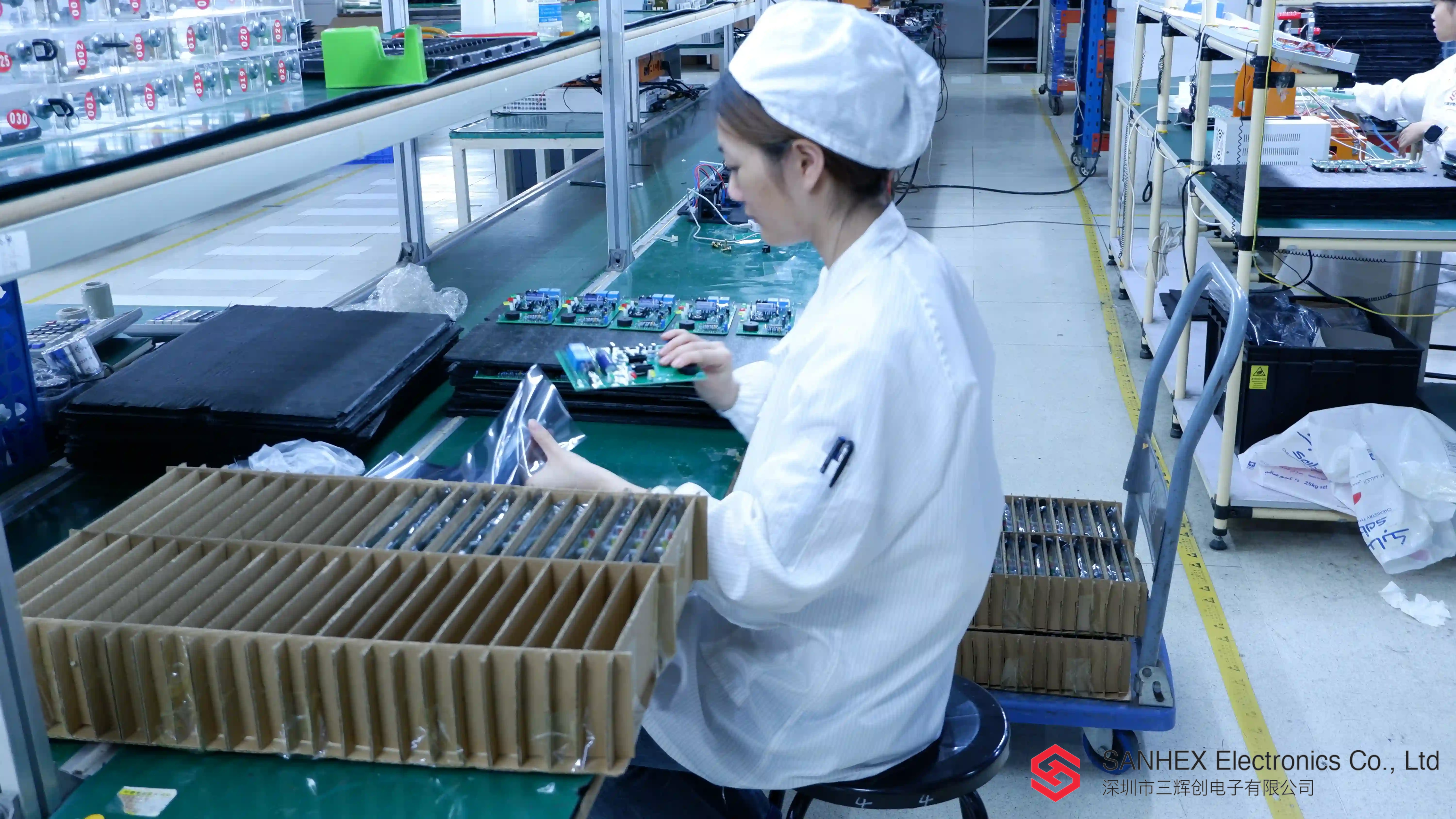
In electronics and PCB manufacturing, the choice between OEM and ODM significantly impacts design control, customization, cost, and time-to-market. This comprehensive guide outlines the core technical differences to help product teams make informed decisions.
Understanding the Fundamentals
Before diving into the technical comparison, it's essential to understand what OEM and ODM mean in the context of electronics manufacturing:
OEM (Original Equipment Manufacturer) refers to a company that manufactures products based on designs and specifications provided by the client. The client retains full intellectual property rights and design control.
ODM (Original Design Manufacturer) refers to a company that designs and manufactures products, often offering existing designs that clients can customize with branding or minor modifications.
What Is OEM (Original Equipment Manufacturer)?
In the OEM model:
- The client provides the design, including engineering details, BOM, and IP ownership.
- The manufacturer executes production strictly according to client specifications.
- The client maintains complete control over the product design and intellectual property.
Key Benefits:
- Full control over product design and intellectual property
- High degree of customization to meet specific product requirements
- Unique product differentiation in the market
- Complete ownership of design files and specifications
- Ability to switch manufacturers without losing design control
Technical Considerations:
- Significant upfront investment for R&D, tooling, and prototyping
- Longer development cycle due to custom design and testing
- Higher initial costs for design validation and testing
- Requires strong technical expertise on the client side
- More complex supply chain management
Real-World Example:
A medical device company developing a custom patient monitoring system would choose OEM to ensure:
- Complete control over safety-critical design elements
- Unique features that differentiate their product
- Full ownership of intellectual property
- Ability to meet specific regulatory requirements
What Is ODM (Original Design Manufacturer)?
In the ODM model:
- The manufacturer handles both design and production
- Clients typically choose from existing product lines, applying branding or minor tweaks
- The manufacturer retains the core design intellectual property
Key Benefits:
- Low development cost and minimal R&D investment
- Fast-to-market—leverages pre-developed designs for quick deployment
- Reduced technical risk as designs are already proven
- Lower upfront investment requirements
- Access to manufacturer's design expertise
Technical Considerations:
- Limited customization capabilities
- Shared intellectual property with the manufacturer
- Potential for product commoditization
- Less control over design changes
- Dependency on manufacturer's design capabilities
Real-World Example:
A startup developing a smart home device might choose ODM to:
- Quickly enter the market with minimal investment
- Leverage proven designs and reduce technical risk
- Focus resources on marketing and distribution
- Access manufacturer's expertise in cost optimization
Core Comparison: OEM vs ODM Breakdown
Design & IP Control
OEM Approach:
- Client fully owns design and IP—ideal for innovation-driven products
- Complete freedom to modify and improve designs
- Ability to license technology to other companies
- Full control over design documentation and specifications
ODM Approach:
- Manufacturer retains core IP; client owns only branding
- Limited ability to modify core design elements
- Shared intellectual property with manufacturer
- Common in generic product lines and standard applications
Customization Abilities
OEM Capabilities:
- Detailed customization of components, form factor, and functionality
- Complete control over component selection and sourcing
- Custom firmware and software development
- Specialized testing and validation procedures
- Unique mechanical and electrical design
ODM Limitations:
- Minor aesthetic adjustments—color, logo, packaging only
- Limited component substitution within manufacturer's approved list
- Standard firmware and software options
- Pre-defined testing procedures
- Standard form factors and layouts
Cost & Time-to-Market Analysis
OEM Investment:
- High initial costs: $50,000 - $500,000+ for design and tooling
- Longer timelines: 6-18 months from concept to production
- Ongoing R&D costs for design improvements
- Higher per-unit costs due to custom components
- Investment in testing and validation
ODM Investment:
- Low initial costs: $5,000 - $50,000 for customization
- Faster timelines: 2-6 months from selection to production
- Minimal ongoing costs for design maintenance
- Lower per-unit costs due to economies of scale
- Reduced testing requirements
Quality Control and Testing
OEM Quality Assurance:
- Custom testing procedures designed for specific requirements
- Client-defined quality standards and acceptance criteria
- Comprehensive validation of all design aspects
- Full traceability of components and processes
- Custom reliability testing protocols
ODM Quality Assurance:
- Standard testing procedures established by manufacturer
- Industry-standard quality metrics
- Pre-validated design reliability
- Standard component traceability
- Proven reliability data
Practical Usage Scenarios
When to Choose OEM:
- Innovation-Driven Companies: Companies developing cutting-edge technology or unique features
- Regulated Industries: Medical, aerospace, automotive, or military applications requiring strict compliance
- High-Value Products: Products where differentiation and premium positioning are critical
- Strong Technical Teams: Companies with experienced engineering and design teams
- Long-Term Product Strategy: Products intended for long-term market presence and evolution
When to Choose ODM:
- Startups and Small Companies: Limited resources and need for quick market entry
- Standard Applications: Products where standard designs meet requirements
- Cost-Sensitive Markets: Price-competitive markets where cost optimization is critical
- Fast-Follower Strategy: Companies entering established markets with proven concepts
- Limited Technical Expertise: Companies focusing on business rather than technical development
Combined Strategy Approach:
Many successful companies use a hybrid approach:
- OEM for flagship products requiring differentiation
- ODM for accessories or complementary products
- OEM for core technology and ODM for standard components
- Gradual transition from ODM to OEM as company grows
Technical Implementation Considerations
PCB Design Complexity
OEM PCB Requirements:
- Custom layer stackup optimized for specific requirements
- Advanced routing techniques for high-speed signals
- Custom component footprints and placement
- Specialized impedance control and signal integrity
- Custom thermal management solutions
ODM PCB Limitations:
- Standard layer configurations (2-8 layers typical)
- Pre-defined routing patterns and design rules
- Standard component libraries
- Basic impedance control for common applications
- Standard thermal management approaches
Component Selection and Sourcing
OEM Component Strategy:
- Full BOM control with custom component selection
- Direct supplier relationships for critical components
- Custom component qualification and testing
- Long-term supply agreements for unique components
- Component lifecycle management and obsolescence planning
ODM Component Strategy:
- Manufacturer-approved component lists
- Standard sourcing channels and relationships
- Pre-qualified components with proven reliability
- Volume-based pricing through manufacturer relationships
- Standard component lifecycle management
Manufacturing Process Control
OEM Manufacturing:
- Custom manufacturing processes for specific requirements
- Client-defined quality control procedures
- Full process documentation and traceability
- Custom testing and inspection procedures
- Flexible production scheduling and capacity planning
ODM Manufacturing:
- Standard manufacturing processes optimized for efficiency
- Manufacturer-defined quality control procedures
- Standard process documentation
- Pre-established testing procedures
- Fixed production schedules and capacity allocation
Risk Assessment and Mitigation
OEM Risks and Mitigation:
Technical Risks:
- Design failures during development
- Mitigation: Thorough design validation and prototyping
Cost Risks:
- Budget overruns due to design complexity
- Mitigation: Detailed cost planning and phased development
Timeline Risks:
- Project delays due to design iterations
- Mitigation: Realistic timelines with buffer periods
Supply Chain Risks:
- Component availability and obsolescence
- Mitigation: Multiple sourcing options and lifecycle planning
ODM Risks and Mitigation:
Dependency Risks:
- Manufacturer dependency for design changes
- Mitigation: Clear agreements and alternative suppliers
Differentiation Risks:
- Product commoditization in competitive markets
- Mitigation: Focus on branding, service, and support
Quality Risks:
- Limited control over manufacturing processes
- Mitigation: Regular audits and quality agreements
Intellectual Property Risks:
- Shared IP ownership with manufacturer
- Mitigation: Clear IP agreements and confidentiality clauses
Final Thoughts and Strategic Recommendations
Choosing between OEM and ODM is a strategic decision that should align with your company's:
- Technical Capabilities: Do you have the engineering expertise for OEM?
- Financial Resources: Can you afford the upfront investment for OEM?
- Time Constraints: How quickly do you need to reach the market?
- Market Position: Do you need product differentiation or cost leadership?
- Long-term Strategy: What are your plans for product evolution and growth?
Key Success Factors:
For OEM Success:
- Strong technical team with relevant experience
- Clear product requirements and specifications
- Adequate financial resources for development
- Realistic timelines and expectations
- Effective project management and communication
For ODM Success:
- Clear understanding of manufacturer capabilities
- Effective supplier relationship management
- Strong branding and marketing strategy
- Quality control and monitoring processes
- Flexible business model for market adaptation
At SANHEX Electronics (深圳市三辉创电子有限公司), we offer both customized OEM and efficient ODM solutions to fit your product goals. Our experienced team can help you evaluate the best approach for your specific requirements and guide you through the entire development process.
Contact us today to discuss your project requirements and learn how we can support your manufacturing strategy. Visit sanhex.com or reach out to our technical team for a detailed consultation.
This comprehensive guide provides the foundation for making informed decisions about OEM vs ODM manufacturing. The choice ultimately depends on your specific requirements, resources, and strategic objectives. SANHEX Electronics (深圳市三辉创电子有限公司) is here to help you navigate these decisions and implement the most effective manufacturing strategy for your success.